


The Thrill of Uncertainty
The psychology of gambling is deeply intertwined with the thrill that comes from uncertainty. When individuals engage in gambling, they are often seeking the adrenaline rush that accompanies taking risks. This excitement is amplified by the element of unpredictability, which can lead to feelings of euphoria with significant wins or devastating lows with losses. Players looking for diverse options might consider the neosurf casino australia experience as the anticipation builds, and this emotional rollercoaster is a significant part of why people are drawn to gambling in the first place. The very act of placing a bet can trigger a physiological response, releasing endorphins that heighten the sense of thrill.
Moreover, the desire for excitement can overshadow logical thinking. Even when faced with the reality of high odds against winning, many players will continue to engage with various forms of gambling, motivated by the hope of hitting it big. This behavior can be observed in lottery players who, despite knowing the odds are stacked against them, continue to buy tickets week after week. The allure of a potential windfall can blind individuals to the financial consequences of their actions, focusing instead on the exhilarating aspects of the game. Understanding this thrill factor can aid in comprehending the broader appeal of gambling beyond mere financial gain.
Additionally, the thrill of uncertainty is often complemented by social interaction. Many people enjoy gambling in groups or at social events, where the collective anticipation can heighten the experience. This social aspect serves as a catalyst, transforming individual risk-taking into a shared journey, which can reinforce the enjoyment and commitment to such activities. The communal excitement can even create memorable experiences, making the act of gambling more about the shared thrill than about monetary outcomes. This dynamic often leads to a stronger bond among friends and family, as they celebrate wins and commiserate over losses together.
The Allure of Escapism
An essential psychological factor in gambling is its potential for escapism. For many, gambling provides a temporary reprieve from the stresses and challenges of everyday life. Engaging in games offers a distraction, allowing individuals to immerse themselves fully in the experience and forget their problems, even if just for a moment. This escape can become particularly appealing during tough times, prompting people to seek solace through gambling. In a world filled with responsibilities and pressures, the ability to step away and enjoy a game can feel like a much-needed break.
This form of escapism can be particularly powerful in modern society, where stress levels are high, and responsibilities can feel overwhelming. The ability to forget about life’s pressures while in the midst of a game can be intoxicating. Many players find that the environment of casinos or gaming apps—the vibrant lights, sounds of winning, and an atmosphere designed for enjoyment—serves to enhance this escapist experience, ultimately attracting them back for more. The sensory overload can create a dreamlike state where worries dissipate, further reinforcing the desire to gamble as a form of relaxation.
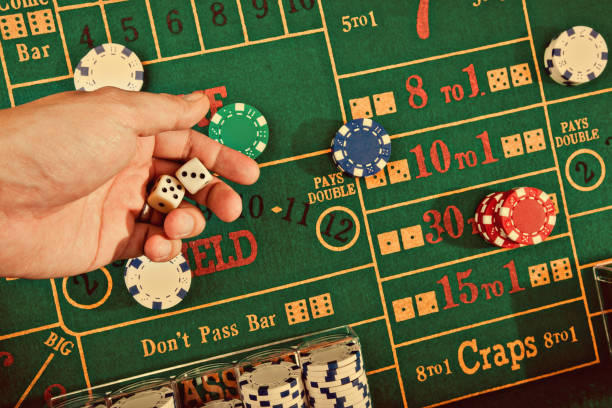
However, this escapist tendency can lead to problematic gambling behavior. When individuals begin to rely on gambling as a primary means of coping with stress or anxiety, it can create a cycle that is difficult to break. The initial thrill may fade, leading players to chase that first high with increased frequency or larger bets. Recognizing this dynamic is crucial for understanding gambling behavior and addressing those who may be at risk of developing gambling-related issues. The challenge lies in balancing the need for escapism with the awareness of potential consequences, making responsible gambling education essential.
The Role of Cognitive Biases
Cognitive biases play a substantial role in the psychology of gambling, affecting how individuals perceive risk and reward. One common bias is the illusion of control, where players believe they can influence the outcome of games through skill or strategy, even when the game is purely based on chance. This belief can lead to increased engagement, as players feel empowered and more likely to continue betting despite unfavorable odds. For instance, a poker player might believe that their skill set can manipulate the game’s outcome, leading to persistent play even in adverse situations.
Another important cognitive bias is the overestimation of winning probabilities. Many gamblers recall their wins more vividly than their losses, leading to a skewed perception of their overall success. This selective memory can create a false sense of competence, which further fuels gambling behavior. Players may convince themselves that they are on the verge of a winning streak, tempting them to place more bets to capitalize on perceived trends. This cognitive distortion can lead to a dangerous cycle where gamblers continually invest time and resources into games based on a flawed understanding of their chances.
Furthermore, the near-miss effect is a powerful psychological phenomenon that keeps players coming back for more. When a player almost wins, such as landing just one number away on a slot machine, it activates the reward center of the brain and fuels the desire to try again. This cycle of hope, paired with cognitive biases, can contribute significantly to the persistence of gambling behaviors, making it essential to understand these biases for responsible gambling education and intervention. Educating players about these cognitive shortcuts can help mitigate their impact on gambling decisions.
The Social Dynamics of Gambling
Gambling is often seen as a social activity, where individuals gather to share experiences, compete, or simply enjoy the atmosphere together. This social aspect can enhance the enjoyment of gambling, as players form connections with others, exchange stories, and celebrate victories together. Such interactions can create a supportive community that fosters a sense of belonging, encouraging continued participation in gambling activities. In many cultures, gambling serves as a social lubricant, facilitating interactions and strengthening friendships.

Additionally, social influences can directly impact gambling behaviors. Friends or family who gamble may encourage participation, and peer pressure can play a significant role in enticing new gamblers into the scene. The desire to fit in or be part of a social group can push individuals to engage in gambling, even if they may not have intended to prior. This dynamic adds another layer to the psychological allure of gambling, as social acceptance becomes intertwined with the experience of risk-taking. The thrill of sharing wins and losses can further entrench individuals within the gambling community.
Moreover, the growth of online gambling has transformed social dynamics within the gambling community. Virtual platforms enable interaction among players from diverse backgrounds, leading to new forms of engagement. Online forums, live streams, and multiplayer games create avenues for social connection that were previously unavailable, making gambling a more interactive and communal experience. This evolution further emphasizes the importance of understanding the social psychology behind gambling as it adapts to modern technology and cultural shifts. The online gambling community often fosters a sense of belonging that can be both positive and negative, influencing player behavior significantly.
Understanding the Gambling Experience
Exploring the psychology behind gambling is essential for understanding the complex motivations that drive individuals to participate in this activity. By examining the interplay between excitement, escapism, cognitive biases, and social dynamics, one can gain insights into why people are drawn to gambling. This understanding not only benefits individual players but is also vital for developing effective harm reduction strategies and awareness programs. Insights gained can inform responsible gambling initiatives and help prevent problematic behaviors.
Ultimately, fostering a deeper comprehension of gambling psychology can lead to more informed decisions about participation. Players can benefit from increased self-awareness and responsible gambling practices, enhancing their overall experience while minimizing potential risks. Additionally, this knowledge is crucial for professionals in the field, including counselors, educators, and policy-makers, as they work to promote safer gambling environments and address compulsive behaviors. Programs that educate players about the psychological aspects of gambling can empower them to make better choices.
In conclusion, the intricate web of factors influencing gambling behavior reflects the multifaceted nature of human psychology. The interplay of excitement, escapism, cognitive biases, and social interactions shapes the gambling experience, making it a rich area for exploration and understanding. By further embracing discussions about the psychology of gambling, society can better equip individuals to navigate their choices and engage in responsible gambling practices. Understanding these dynamics is crucial for fostering a healthier relationship with gambling in various contexts.